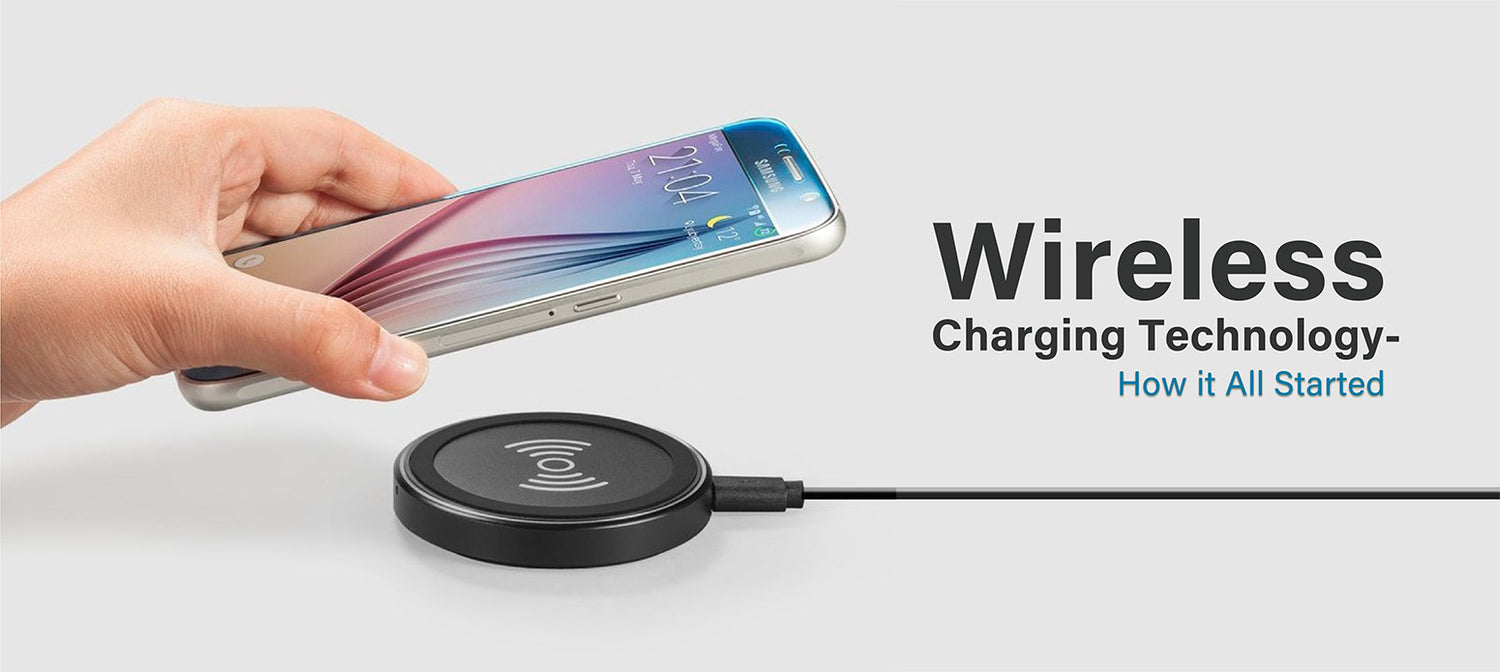
The Future of Convenience: Exploring the Benefits of Wireless Charging
The future of convenience lies in innovations that simplify our daily routines, and wireless charging is at the forefront of this transformation. As our reliance on electronic devices grows, the need for efficient and user-friendly charging solutions becomes increasingly critical. Wireless charging eliminates the hassle of tangled cords and offers a seamless experience for users. Imagine walking into your home or office and simply placing your device on a charging pad, without the need to search for a charger or fumble with wires. This technology not only enhances user convenience but also aligns with the minimalist design trends of modern interiors.
Moreover, the benefits of wireless charging extend beyond mere convenience. This technology promotes safety by reducing wear and tear on charging ports, which can often lead to connectivity issues. Furthermore, many wireless chargers now incorporate smart features, such as automatic device recognition and optimal power delivery, ensuring that your device is charged efficiently without overheating. As we look ahead, the integration of wireless charging in public spaces, such as cafes and airports, will further elevate the user experience, making it easier than ever to stay powered up while on the go.
Counter-Strike is a popular first-person shooter game that emphasizes teamwork and strategy. It has a competitive scene that spans the globe, drawing in millions of players and spectators. For those looking to protect their AirPods in style, check out the Top 10 Thin Silicone Cases for AirPods, which combines functionality with sleek design.
Wireless Charging Myths Debunked: What You Need to Know
Wireless charging has gained significant popularity in recent years, but with that popularity come numerous myths that can misinform users. One common myth is that wireless charging is significantly slower than traditional wired charging. While it's true that some wireless chargers deliver less power, many modern devices and chargers now support fast wireless charging technology. In fact, with compatible devices and Qi-certified chargers, users can experience charging speeds that rival traditional wired options. This shift in technology challenges the misconception that wireless charging is inherently slow.
Another prevalent myth is that using a wireless charger will degrade a phone's battery over time. This concern often stems from misunderstandings about how modern charging technologies work. Most smartphones are engineered with built-in features that manage battery health, preventing issues associated with long-term charging. When plugged into a wireless charging pad, phones automatically regulate power intake, ensuring that batteries do not overcharge. Thus, consumers can confidently use wireless charging without the fear of harming their device's lifespan.
How Wireless Charging is Revolutionizing the Way We Use Technology
In recent years, wireless charging has emerged as a groundbreaking technology that is transforming how we interact with our devices. Gone are the days of fumbling with cords and searching for free outlets, as wireless charging enables users to power their devices effortlessly. This innovative approach not only improves convenience but also enhances the overall user experience by promoting seamless usage. The growing adoption of this technology across smartphones, smartwatches, and electric vehicles underlines its potential to change the way we think about connectivity and power.
Moreover, wireless charging is paving the way for a more sustainable future. By reducing the reliance on multiple chargers and minimizing electronic waste, it aligns perfectly with today's eco-conscious mindset. With advancements in technology, such as fast charging capabilities and enhanced efficiency, consumers can enjoy quick and reliable power without the clutter of wires. As industries continue to invest in this technology, we can expect to see even more applications, ranging from home furniture that integrates wireless charging to public spaces equipped with charging pads, thereby making it an integral part of our daily lives.