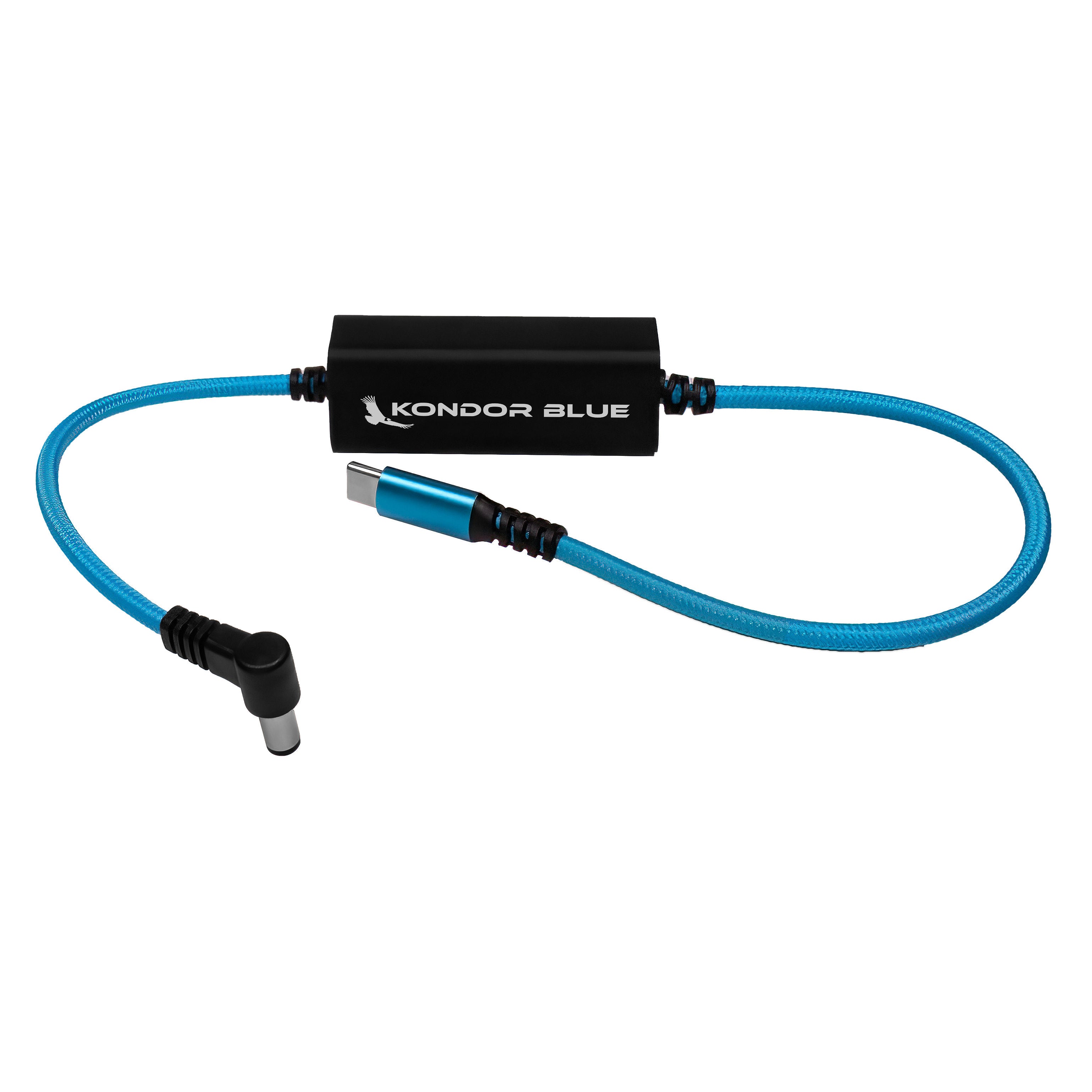
Understanding Power Delivery: How It Works and Why It Matters
Understanding Power Delivery is essential in today's digital landscape, especially as our devices demand more power and faster charging capabilities. At its core, Power Delivery (PD) is a universal charging standard that allows for higher power levels to be delivered over USB-C connections. This technology not only enables faster charging but also provides intelligent power management to ensure that devices receive exactly the right amount of power they need. For instance, a laptop might require more power than a smartphone, and Power Delivery adjusts the flow accordingly, optimizing efficiency and safeguarding the devices in use.
The importance of Power Delivery extends beyond just convenience; it impacts our overall technology experience in significant ways. As appliances and gadgets become more sophisticated, having a reliable and efficient power delivery system is crucial. With benefits such as reduced charging time, compatibility across a wider range of devices, and the flexibility of using a single charger for multiple gadgets, understanding Power Delivery can greatly enhance your tech lifestyle. As we continue to embrace an interconnected world, the significance of effective power management cannot be overstated.
Counter-Strike is a popular series of multiplayer first-person shooter video games, initially developed as a mod for Half-Life. It has since evolved into various iterations, with Top 10 fast chargers for iphone being a hot topic among gamers who rely on mobile devices for gaming-related tasks. The gameplay focuses on team-based objectives, where players take on the roles of terrorists or counter-terrorists, engaging in tactical combat in various maps and scenarios.
The Ultimate Guide to Charging Speeds: What You Need to Know
Understanding charging speeds is crucial in selecting the right device and charging accessories for your needs. With the proliferation of various charging technologies, you might encounter terms like fast charging, quick charge, and Power Delivery. These terms indicate how quickly a device can be charged, but they can also vary significantly among different manufacturers and models. To simplify this, it's essential to know that charging speed is primarily determined by the voltage and amperage supplied to the device.
There are several key factors influencing charging speed:
- Charger Type: Different chargers provide varying power outputs, and your device's compatibility with the charger can significantly impact the charging time.
- Cable Quality: The type and condition of the charging cable can also affect performance. Thicker cables and those designed for higher power ratings usually deliver faster charging.
- Device Specifications: Each device has a maximum charging speed it can accept, so using a charger that exceeds this specification won't necessarily yield better results.
Common Power Delivery Myths: Debunking Misconceptions About Device Charging
In the world of technology, Power Delivery (PD) has garnered attention for its ability to charge devices faster and more efficiently than traditional charging methods. However, several myths surrounding PD continue to persist, leading to confusion among consumers. One common misconception is that using a higher wattage charger will damage your device. In reality, most modern devices are designed to regulate the amount of power they draw from a charger, meaning they will only consume what they can handle. This smart technology ensures that users can safely take advantage of higher wattage chargers without fear of overloading their devices.
Another prevalent myth is that all USB-C cables support Power Delivery. Although USB-C is the standard connector used for PD, not all cables are created equal. Some cables only support basic charging at slower rates, while others are engineered specifically for high-speed Power Delivery. To ensure optimal charging performance, consumers should look for cables that explicitly state PD support. Additionally, using a low-quality cable can lead to inefficient charging or even device damage, emphasizing the importance of investing in certified, high-quality accessories.