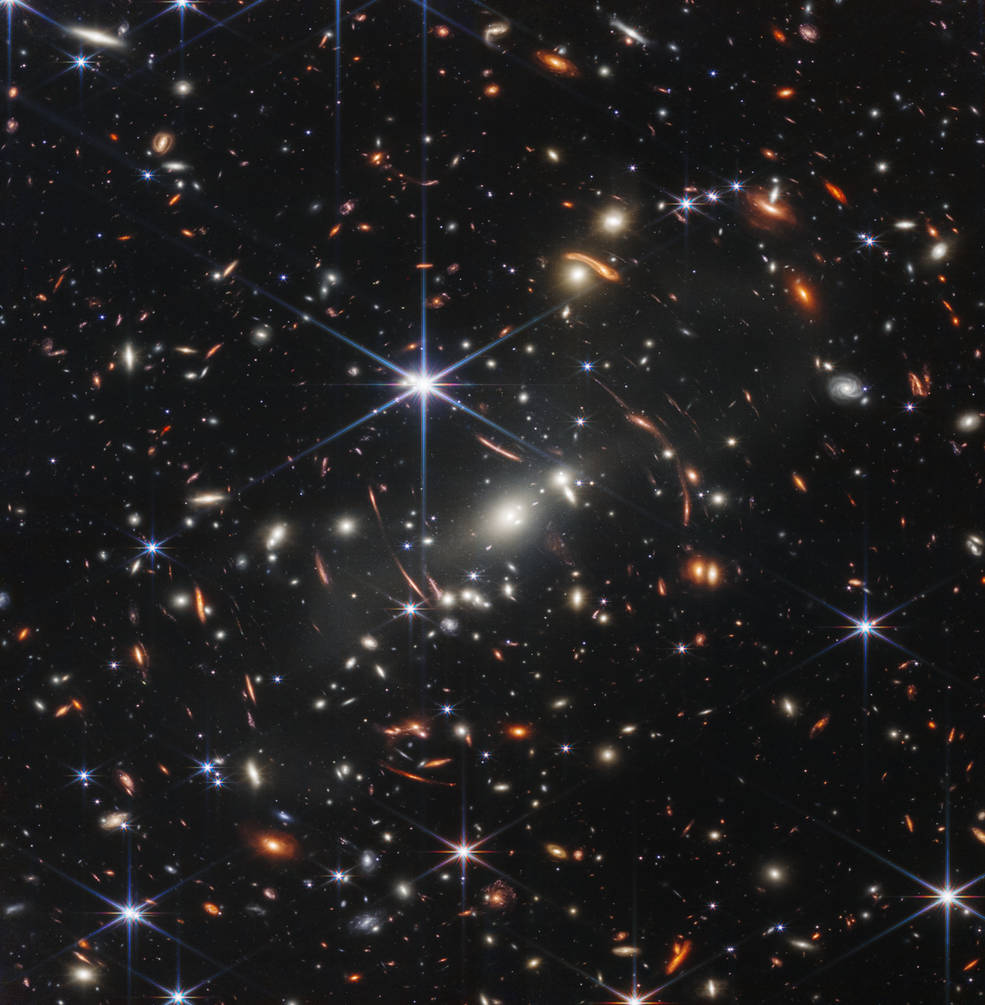
Exploring the Hidden Wonders: What Lies Within Our Neighboring Galaxies?
Exploring the hidden wonders of the universe often leads us to wonder what lies within our neighboring galaxies. Our closest galactic neighbor, the Andromeda Galaxy, is rich with mysteries, hosting billions of stars, and potentially millions of planets. Recent studies have suggested that within this majestic spiral galaxy, there are numerous opportunities for discovering Earth-like exoplanets in the habitable zone. Furthermore, Andromeda's intricate structure invites astronomers to unravel its history, shedding light on the processes that govern galaxy formation and evolution. What hidden phenomena might we unearth next, as we delve deeper into its stellar nurseries and supermassive black holes?
Another captivating neighbor is the Triangulum Galaxy, also known as M33, which is part of our Local Group. This galaxy is not just a beautiful sight to behold; it's filled with fascinating features such as the star-forming regions that fuel its stellar population. By examining Triangulum's gaseous regions, scientists can gain crucial insights into the cycle of star birth and death that shapes galaxies over billions of years. With advancements in telescopic technology and data analysis, we are on the verge of unraveling the mysteries of these galaxies, and who knows what intriguing discoveries await us in the depths of space?
Counter-Strike is a highly popular team-based first-person shooter game that has garnered a massive following since its release. Players can engage in intense multiplayer matches where they assume the roles of terrorists or counter-terrorists, utilizing strategic gameplay and teamwork to achieve their objectives. Whether you're a casual gamer or a competitive player, the excitement of clutch plays and team coordination keeps the gameplay fresh and thrilling. If you're looking to enhance your gaming experience, check out the Top 10 Samsung Galaxy Accessories to find gear that can elevate your setup.
The Life Cycle of Galaxies: From Formation to Distant Future
The life cycle of galaxies is a captivating journey that spans billions of years, encompassing the processes of formation, evolution, and eventual demise. Most galaxies begin as clouds of gas and dust, known as star-forming regions. Here, through the force of gravity, these materials clump together to create stars. As new stars ignite, they emit powerful radiation, which can influence nearby gas and initiate the formation of new stars. The lifecycle is generally categorized into three primary stages:
- Formation: Stars begin to form within giant molecular clouds.
- Evolution: Galaxies merge and interact, leading to significant changes in structure and composition.
- Demise: Eventually, galaxies can exhaust their star-forming gas or collide with others, leading to their gradual fading.
The distant future of galaxies is equally intriguing and complex. As galaxies age, they undergo various transformations, often losing their spiral shapes and becoming more elliptical. Over trillions of years, many galaxies may find themselves in isolation or merging with others, ultimately forming large elliptical galaxies. These processes can trigger star formation, but as the available gas diminishes, star formation becomes increasingly rare. Eventually, the universe may evolve into a cold, dark expanse populated by the remnants of once vibrant galaxies, such as white dwarfs and black holes, marking the end of the galaxy life cycle.
Galactic Portraits: How Different Galaxies Shape Our Understanding of the Universe
The vastness of the universe is often encapsulated in the diverse forms of galaxies, each offering unique insights into cosmic evolution. From the elegant spirals of spiral galaxies to the chaotic textures of irregular galaxies, these celestial structures serve as vital research subjects for astronomers. Understanding how different types of galaxies form and evolve not only helps us to decipher the history of our own galaxy but also enhances our comprehension of the fundamental processes that govern the universe.
Galactic portraits are instrumental in shaping our understanding of vital cosmic phenomena, such as dark matter and galaxy formation. For instance, the light emitted by elliptical galaxies provides clues about stellar populations and the effects of gravitational interactions. By studying their morphological variations, scientists can develop more sophisticated models of cosmic history. Ultimately, the study of various galaxy types is essential in answering profound questions about the origins and fate of the universe.