The Unsung Importance of Cables in Our Daily Lives
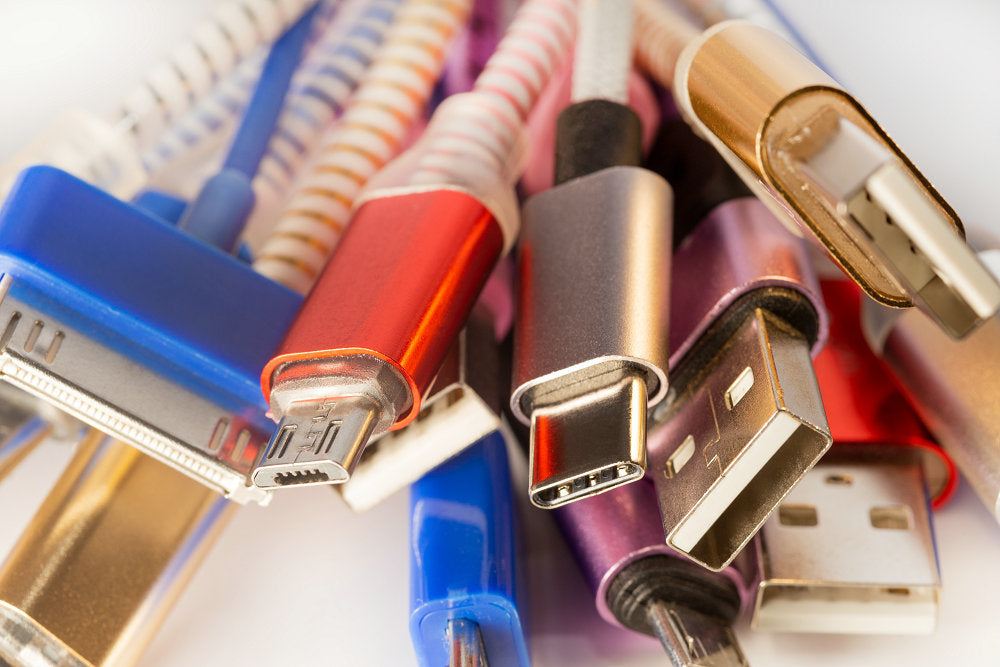
In today's fast-paced world, the role of cables often goes unnoticed, yet they are the silent heroes powering our daily lives. From the humble charging cable that ensures our devices are operational to the intricate networks facilitating high-speed internet, cables serve as the backbone of modern technology. Every time we check our emails, stream a movie, or use smart home devices, it's the quality and reliability of these cables that make it possible. Without them, our digital interactions would be severely limited, demonstrating that the importance of cables cannot be overstated.
Moreover, the variety of cables available today, such as USB, HDMI, and Ethernet, highlights their critical roles in our daily activities. 1. USB cables connect us to power sources and facilitate data transfer. 2. HDMI cables deliver high-definition audio and video to our entertainment systems, and 3. Ethernet cables provide stable internet connections for work and play. Whether in our homes, offices, or public spaces, cables are essential for ensuring seamless communication and connectivity, proving that their importance is truly unsung but indispensable.
Counter-Strike is a popular multiplayer first-person shooter that has captivated gamers since its release in the late 1990s. Players join either the terrorist or counter-terrorist team, engaging in tactical missions that require strategy and teamwork. To enhance your gaming experience, you might also be interested in checking out the Top 10 travel tech accessories that can help you stay connected while you're on the move.
How Connectivity Shapes Our World: The Role of Cables
In today's digital age, connectivity is the backbone of our global society. The role of cables in facilitating this connectivity cannot be overstated. From the undersea fiber optic cables that transmit data across continents to the copper wires that connect our homes and businesses, these physical connections are essential for communication and information exchange. According to recent studies, over 99% of international data is transmitted through these cables, illustrating their critical importance in our everyday lives.
Cables not only enable seamless interaction but also enhance economic growth, innovation, and social development. For instance, the deployment of high-speed internet connections through advanced cabling technology has transformed educational access worldwide, allowing students in remote areas to benefit from online resources and digital learning platforms. Moreover, strong infrastructure supporting connectivity through cables contributes to a more interconnected economy, as businesses rely on fast and reliable internet services to reach clients and markets globally. As we look to the future, the role of cables will only grow more prominent, ensuring that our world remains connected.
Ever Wondered How Your Devices Communicate? Here's the Answer!
Have you ever stopped to think about how your devices communicate with one another? In today’s digital age, our smartphones, tablets, and computers are interconnected through a vast network that allows them to exchange information seamlessly. This process begins with data transmission, the method through which devices send and receive information via signals. These signals can be transmitted using various mediums, including Wi-Fi, Bluetooth, and cellular networks. As you scroll through your feed or send a text, these devices utilize specific protocols to ensure the message gets delivered correctly.
The architecture of communication between devices can be quite complex. To break it down, here are three key elements involved in device communication:
- Protocols: These are the rules that dictate how data is sent and received. Common protocols include HTTP for web traffic and FTP for file transfers.
- IP Addresses: Every device connected to the Internet has a unique IP address that identifies it on the network.
- Data Packets: Information is broken down into small packets for transmission. Once received, these packets are reassembled to form the original message.
Understanding these components can illuminate the intricate dance of communication that occurs every time you interact with your devices, making technology feel more magical than ever!